


Adult Home Health Care Near Me: Finding the Right Fit
When you’re searching for adult home health care near me, you’re probably dealing with a lot right now. Maybe a parent needs help recovering from surgery. Maybe someone in your family is managing a chronic condition at home. Maybe you’re just trying to figure out what options actually exist in your area.
Here’s the thing: home health care isn’t one-size-fits-all, and the agencies available near you might offer different things. So let’s talk about what you should actually be looking for.
Related: How to Choose a Home Health Nursing Provider: 9 Key Steps
What Adult Home Health Care Actually Covers
Home health care services come in two main flavors: medical and non-medical support.
Related: Adult Home Health Care Services in Arlington County
Related: Best Adult Home Care Services Near Arlington Virginia
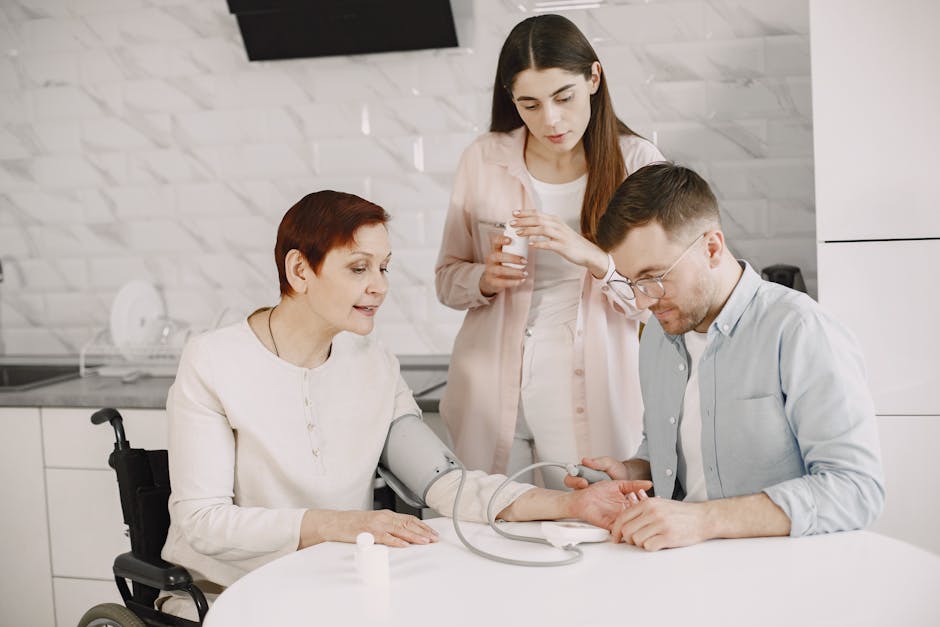
Medical services include skilled nursing care, which is handled by licensed nurses. These are people trained to manage complex medical needs right in your home. We’re talking wound care, medication management, monitoring vital signs, and care for chronic or complex conditions.
Personal care assistance is the other side of things. This includes help with daily living activities like bathing, dressing, grooming, and meal prep. You might also get companionship and support with mobility.
The best providers can offer both, customized to what your loved one actually needs. That’s not every agency, so ask specifically what services they provide before you commit.
How to Find Providers in Your Area
Start by knowing your geography. Home health agencies serve specific regions, not everywhere. You’ll need to check who actually operates in your county or city.
If you’re in Northern Virginia, you’ve got options. But outside that area, you’ll need to do your own local research. Ask your doctor for referrals first, especially if someone is being discharged from a hospital or recovering from surgery. Doctors often know which agencies they trust.
Case managers and social workers are also goldmines for recommendations. They work with home health agencies regularly and know which ones have solid reputations.
Red Flags vs. Green Flags
When you’re evaluating agencies, pay attention to specific things.
Credentials and Accreditation Matter
Look for agencies that are accredited by recognized healthcare organizations and certified by Medicare and Medicaid. This tells you they’ve met professional standards and are regularly evaluated. It’s not a perfect guarantee of quality, but it’s a solid starting point.
Who’s Actually Doing the Work?
Ask about the people who will be providing care. Are they licensed nurses? How are they trained? Do they specialize in certain conditions? A good agency invests in staff training and can tell you specifically who will be coming into your home and what their qualifications are.
Personal fit matters too. If your loved one needs someone with experience managing neurological conditions, for example, make sure the agency has that expertise. Don’t settle for a generic answer.
Is This Actually an Agency or a Referral Service?
Here’s something that trips people up: not every company that says “home care” actually provides the care themselves. Some are marketplaces or referral services that connect you with independent caregivers. That’s fine if that’s what you want, but it’s different from working with an actual agency that employs its own staff.
Actual agencies take responsibility for their caregivers. They handle hiring, training, and quality control. That’s a different level of accountability.
What Questions to Ask
When you talk to an agency about adult home health care near you, here’s what you should ask:
- Do you provide both skilled nursing and personal care assistance, or just one?
- Who will be coming to my home, and can you tell me about their training and experience?
- Are you licensed and accredited, and can you prove it?
- How do you create a personalized care plan based on my specific needs?
- What happens if there’s a problem or I have concerns about care?
- How do you handle scheduling and backup care if my regular caregiver is unavailable?
If an agency is evasive or vague about any of these, that’s a signal to keep looking.
Coverage and Cost Considerations
Here’s where it gets complicated. Home health care can be covered by Medicare, Medicaid, private insurance, or it might be private pay. But coverage and cost depend entirely on your specific plan and your care needs.
Don’t assume anything. Call your insurance provider and ask what’s covered. Talk to the agency about what they accept. Some agencies work with multiple payers, others are more specialized.
Get a full picture before you commit, because out-of-pocket expenses can add up fast if you’re not prepared.
In-Home Care for Specific Situations

Different people need different things. Someone recovering from surgery needs different support than someone managing a chronic condition long-term.
Post-recovery care is usually time-limited. You know roughly how long you’ll need it. An agency should be able to help you plan for what happens when recovery is complete and care can scale back or end.
Chronic condition management is ongoing. You’re not looking for an end point. You’re looking for a partner who understands your loved one’s condition, can catch changes early, and can adjust care as things evolve.
Palliative and end-of-life care requires real expertise and compassion. Make sure any agency you’re considering has experience with what you’re facing and can talk openly about it.
Trust Your Gut
After you’ve checked the boxes on credentials and qualifications, pay attention to how you feel. Did the agency listen to your specific situation or give you a generic pitch? Do you feel like they understand what you need?
You’re inviting someone into your home to care for someone you love. That relationship matters. The agency should feel like partners in that, not just service providers.
If you’re in Northern Virginia and want to explore what’s available, you can learn more at americancarepartners.net. But whether it’s us or another agency, make sure they actually deliver what you need and make you feel confident about the care your loved one will receive.
FAQs
What’s the difference between home health care and in-home care?
Home health care and in-home care are often used interchangeably, and for the most part they mean the same thing: care delivered in your home. Both can include medical services from licensed nurses and non-medical personal care assistance. The terms aren’t standardized across agencies, so ask specifically what services an agency provides rather than relying on their terminology.
Do I need a doctor’s referral to get home health care?
You don’t always need a formal referral to contact an agency and ask about services. But if you want Medicare or insurance to cover skilled nursing care, you’ll typically need a doctor to order it. For personal care assistance or private pay services, you can usually reach out directly. Ask the agency what they require for your situation.
How often can a home health caregiver visit?
That depends on your needs and your coverage. Some people get daily visits, others a few times a week, others just a few hours per week. Your personalized care plan will define the schedule based on what you actually need and what your insurance covers. It’s not standardized.
Can home health care help with chronic conditions?
Yes, home health care can absolutely support people living with chronic conditions. Skilled nurses can monitor your condition, manage medications, perform treatments, and catch changes early. Personal care assistants can help with daily activities so you can stay at home longer. The key is finding an agency with experience in your specific condition and creating a care plan that works for your situation.