


Complex medical care in a home setting means delivering specialized nursing, medication management, wound care, and chronic illness support right where your loved one lives, instead of in a hospital or facility. It’s not simple—but it’s increasingly the best option for patients who want independence, comfort, and personalized attention.
The shift toward home-based care is real. Families and physicians are recognizing that with proper coordination and skilled staff, you can achieve better health outcomes while keeping patients in the environment where they feel safest. Let’s walk through how to make it work.
Related: Best Adult Home Health Care 2026: Top 5 Providers Ranked
Related: Best End of Life Care at Home 2026: Top 5 Providers Ranked
Related: Best Skilled Nursing Care at Home in Arlington 2026: Top 5 Ranked
Why Complex Medical Care at Home Makes Sense
Your loved one didn’t choose their diagnosis. But they deserve a choice in where they receive treatment.
Home-based complex medical care reduces hospital readmissions, lowers infection risk from institutional settings, and gives patients control over their daily routine. That matters emotionally and clinically. When someone with a chronic condition or recovering from serious illness can stay home, they stress less, comply better with treatment, and often heal faster.
Related: In-Home Care for Chronic Illness: A Complete Guide
Related: Home Based Medical Care for Adults: Your Complete Guide
Related: Transitional Care Nursing After Hospitalization: Complete Guide
Related: Pediatric Nursing Care for Medically Complex Children: A Complete Guide
Related: Specialized Pediatric Medical Care at Home: Complete Guide
Related: Best Post-Surgery Nursing Care at Home: Complete Recovery Guide
The numbers back this up. Research from the National Institutes of Health shows that home-based care coordination reduces hospital admissions and improves patient satisfaction. Cost-effectiveness matters too—home care is typically 30-40% less expensive than facility-based alternatives when managed properly.
But here’s the honest part: complexity at home requires serious planning, the right clinical team, and constant coordination. This isn’t something you wing.
The Core Components of Complex Medical Care at Home
Think of home-based complex medical care as a three-legged stool: skilled nursing, personalized care coordination, and multidisciplinary team support.
Skilled Nursing and Clinical Services
Your patient needs nurses who know how to handle IV therapy, wound care, medication management, catheter care, respiratory support, and disease-specific monitoring. These aren’t general home health aides—these are licensed registered nurses (RNs) or nurse practitioners trained in complex medical conditions.
They monitor vital signs, adjust care plans based on patient response, communicate with physicians, and catch complications early. That direct clinical oversight is non-negotiable when you’re managing something like advanced heart failure, post-surgical recovery, pediatric complex care, or chronic respiratory conditions.
Care Coordination and Case Management
Someone needs to orchestrate the whole thing. That’s your care coordinator—often a nurse practitioner or experienced case manager who talks to the doctor, the nursing staff, the pharmacy, physical therapy, and your family weekly. They own the care plan and adjust it based on what’s actually happening at home.
Without this coordination layer, you get siloed care. The nurse doesn’t know what the therapist recommended. The pharmacy fills a medication that conflicts with the new order. Nothing syncs. Good complex care at home demands someone in the center connecting all the dots.
Multidisciplinary Support
Depending on your patient’s needs, you might need physical therapy, occupational therapy, wound specialists, respiratory therapists, dietitians, or social workers. These folks come in, do their piece, and report back to the care coordinator. The patient’s life doesn’t happen in silos—neither should their care.
How to Set Up Complex Medical Care at Home: Step by Step
Don’t just call an agency and hope for the best. Here’s the right sequence.
Step 1: Get a Clear Medical Diagnosis and Prognosis
Start with your physician. You need a detailed understanding of what you’re managing, what the trajectory looks like, and what red flags require immediate attention. Ask your doctor for a written care summary and specific instructions. Don’t assume the home care agency has all this—you’re responsible for translating it.
Step 2: Choose a Home Care Provider with Complex Care Experience
Not all home care agencies are equipped for complexity. Look for Joint Commission accreditation, Medicare and Medicaid certification, and a track record serving your specific diagnosis type. Ask about their nurse-to-patient ratios, clinical oversight, and how they handle after-hours emergencies.
AMERICAN CARE PARTNERS is an example of a provider built specifically for complex pediatric and adult cases—they coordinate with physicians, maintain strict clinical protocols, and have the staffing depth to handle real complexity without turning you into a hospital facility.
Do you need a consultation about your home health care needs?
Step 3: Develop a Comprehensive Care Plan
Work with your doctor and the care agency to write down everything: medication schedule, wound care procedures, therapy goals, dietary needs, mobility assistance, emergency protocols, and communication channels. This becomes your bible. Everyone references it.
Step 4: Identify and Train Your Backup Systems
What happens if the primary nurse calls out sick? What’s the escalation process if something goes wrong at 2 a.m.? You need written backup plans, 24/7 on-call coverage agreements, and clear communication channels. This is especially critical for pediatric complex care or patients on ventilators or feeding tubes.
Step 5: Set Up Regular Check-Ins and Care Adjustments
Complex medical care is not static. Schedule weekly or bi-weekly care coordination meetings (even brief ones) to review what’s working, what’s not, and what needs to change. Your patient’s needs will shift. Your plan needs to shift with them.
Common Challenges in Home-Based Complex Care (and How to Solve Them)

Real talk: managing complex medical care at home isn’t smooth all the time. Knowing the common bumps helps you prepare.
Staffing Gaps and Consistency
Home care has a serious labor shortage right now. You might not get the same nurse every day, which makes continuity hard. Solution: negotiate with your agency for a core team of 2-3 primary nurses. It costs a bit more, but consistency in complex care saves money in complications and errors.
Coordination Breakdowns
Doctors don’t always talk to nurses. Therapists don’t always talk to pharmacies. Someone drops the ball and your patient suffers. Solution: demand a named care coordinator. This person owns the communication responsibility and reports to you and your doctor weekly.
Family Caregiver Burnout
If you’re the primary caregiver, you’re tired. Complex medical care 24/7 is exhausting emotionally and physically. Solution: hire in-home support staff for non-medical tasks (personal care, light housekeeping, errands) so you can focus on oversight and being present with your loved one, not drowning in logistics.
Technology and Documentation Gaps
Old-school paper charts or siloed electronic systems mean information doesn’t flow. Solution: insist on integrated documentation systems where you, your doctor, nurses, and therapists can all see current care notes and vital sign trends in real time. This is non-negotiable for complex cases.
What to Look for in a Complex Care Provider
When you’re evaluating agencies to manage complex medical care in your home, ask these specific questions:
- Are you Joint Commission accredited and Medicare/Medicaid certified?
- What’s your experience with my specific diagnosis or patient population?
- Who’s my primary care coordinator, and what’s their clinical background?
- How do you handle after-hours emergencies and urgent changes?
- What’s your average nurse tenure (lower turnover is better)?
- Can you provide references from families with similar complexity to mine?
- How do you integrate with my physician’s care plan?
- What technology do you use for documentation and real-time communication?
When you talk to agencies, listen for confidence based on experience, not reassurance based on promises. AMERICAN CARE PARTNERS exemplifies this—their clinical team talks about actual protocols, staffing models, and physician relationships because they live this work every day with Northern Virginia families.
Technology and Personalized Care in 2026
The home care landscape is changing fast. Emerging tools are making it easier to monitor patients in real time, flag changes early, and adjust care without constant in-person visits.
Remote monitoring (heart rate, blood pressure, oxygen, glucose via connected devices), telehealth visits with specialists, and integrated care management platforms are becoming standard for complex cases. These tools don’t replace nurses—they enhance their ability to spot problems and personalize treatment.
The shift toward person-centered care (focused on what matters to your patient, not just disease management) and activity-of-daily-living support means caregivers are trained to help your loved one maintain dignity and independence, not just compliance with medical tasks.
Getting Started: Next Steps for Your Family
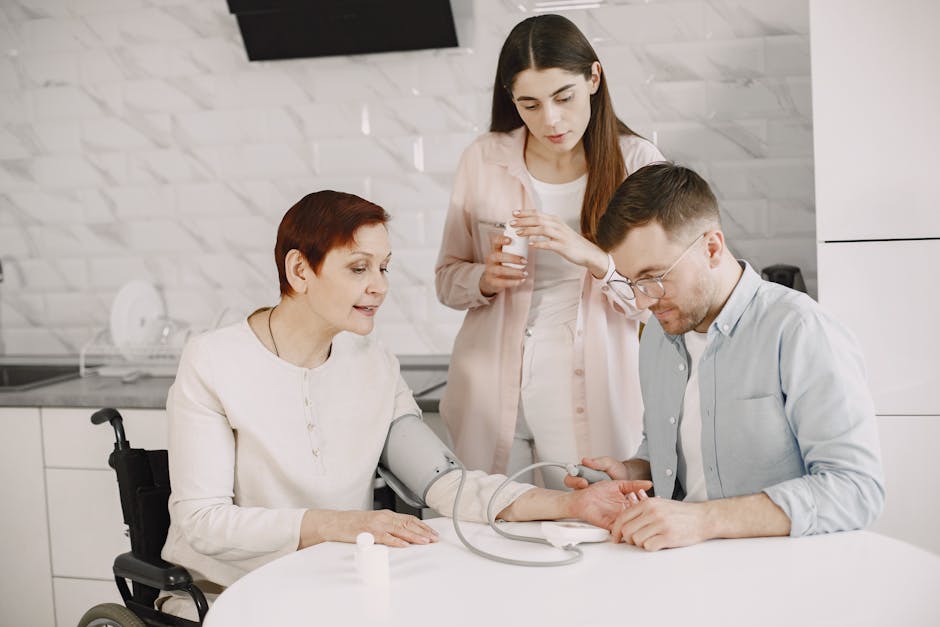
If you’re managing complex medical care at home or considering it, here’s what to do right now:
- Document your current care setup, gaps, and biggest pain points.
- Talk to your physician about whether home-based complex care is the right fit for your situation.
- Research 2-3 accredited home care providers with experience in your patient’s diagnosis.
- Ask for references and speak directly to families they currently serve.
- Schedule a consultation to map out a detailed care plan before you commit.
The goal isn’t just to manage your loved one’s medical condition—it’s to create a home environment where they feel safe, supported, and empowered to live as fully as possible. Providers like AMERICAN CARE PARTNERS understand this mindset and build their entire operation around it.
Frequently Asked Questions
What’s the difference between home health care and complex medical care at home?
Home health care typically provides general nursing, personal care, and therapy after acute episodes (like post-surgery recovery). Complex medical care at home is ongoing, disease-specific clinical management for chronic conditions, pediatric complexity, or serious illness. It requires more frequent nursing oversight, specialist coordination, and personalized protocol adjustments. Think of it this way: home health helps you recover from something specific. Complex care supports you living well with something ongoing.
Can you manage complex pediatric care at home?
Absolutely, and more families are choosing this path. Complex pediatric care at home (feeding tubes, respiratory support, tracheostomy care, seizure management, medically complex developmental delays) requires highly trained nurses and close physician oversight, but when done right, it gives kids and families normal childhood experiences instead of institutional life. The agency you choose must have dedicated pediatric experience and the staffing depth to handle it.
How much does complex medical care at home cost?
Costs vary widely based on nursing hours, acuity, and your location. Expect $50-150+ per hour for skilled nursing, depending on your area and complexity level. Many cases qualify for Medicare, Medicaid, or private insurance coverage. Some families use a combination of agency care and private duty nursing. Ask your physician to help justify medical necessity for insurance purposes—that’s key to getting coverage approved.
What happens if my patient needs emergency care while on home-based complex medical support?
Your care agency should have clear protocols for when to escalate to urgent care or the ER, and nurses should know your patient’s history well enough to communicate it effectively to emergency teams. You should also maintain a detailed medical summary (diagnosis, current meds, allergies, code status, emergency contacts) accessible to paramedics if they’re called. Talk to your agency about their emergency response process before you need it.
Do you need a consultation about your home health care needs?